
Is bone grafting painful?
The procedure is performed under local anaesthesia, with options for sedation for anxious patients. Post-procedure discomfort is generally manageable with pain relief and resolves within a few days.
A detailed clinical resource explaining the biological science, healing phases, and materials behind jawbone augmentation. Learn how socket preservation, sinus floor elevation, and guided bone regeneration build the foundation for implants.
Bone Graft Assessment
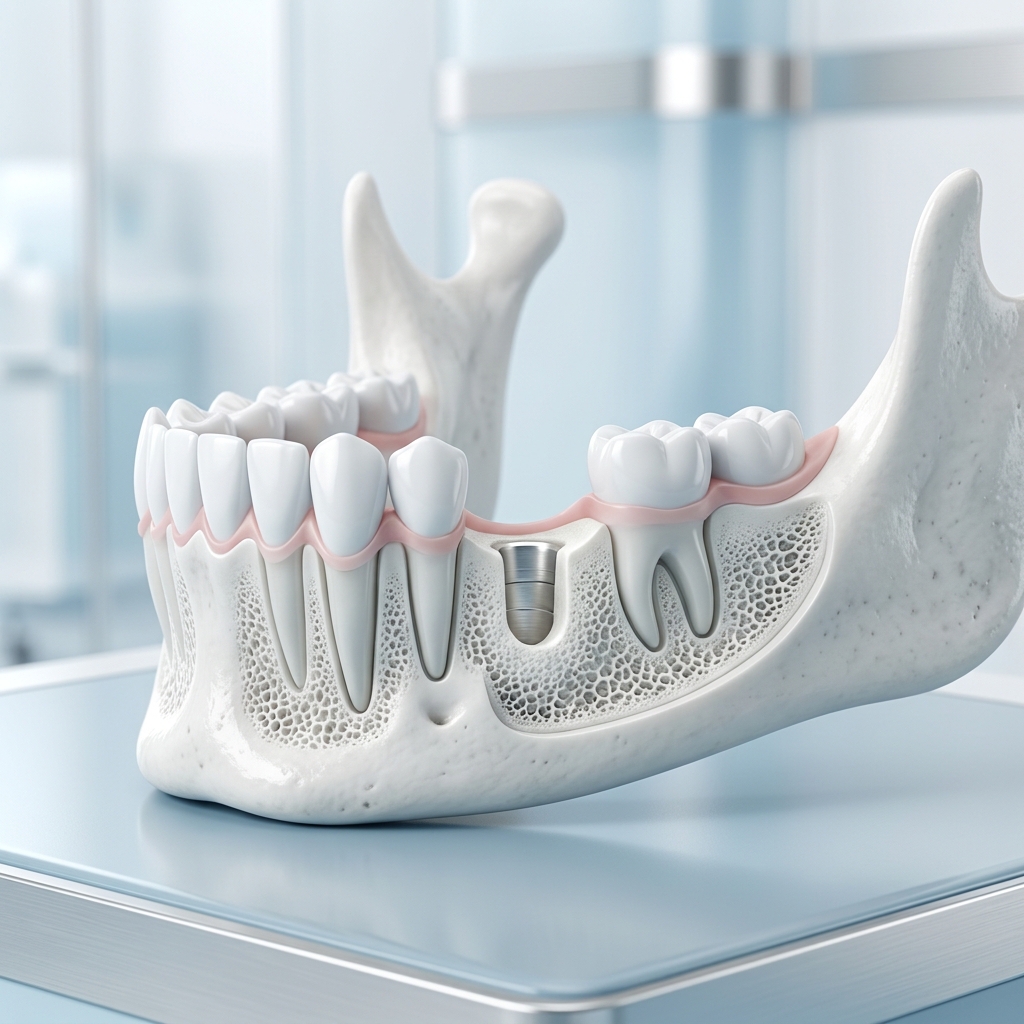
A successful dental implant requires a stable bony foundation. Dental bone grafting is a clinical procedure designed to rebuild or preserve the jawbone when it lacks the necessary width, height, or density to support an implant fixture. Bone volume loss often occurs due to natural bone resorption following tooth extraction, advanced gum disease, or trauma.
During a dental bone grafting procedure, specialized grafting material is carefully placed into the treatment site to act as a cellular scaffold. Over several months, your body's natural healing response replaces the scaffold with new, living bone. This critical step prepares the site to securely anchor a future dental implant, supporting stable chewing forces and restoring normal dental function.
Different clinical situations require different grafting approaches. Your clinician will recommend the most appropriate procedure.

Performed at the time of tooth extraction, grafting material is placed in the socket to minimise bone loss and preserve the ridge for future implant placement.

Rebuilding the width and height of the jaw ridge when it has been lost due to prolonged tooth absence, trauma or infection.

A procedure that adds bone to the upper jaw in the molar and premolar regions by lifting the sinus membrane and placing graft material beneath it.
Bone grafting is typically a straightforward day procedure performed under local anaesthesia.
3D CBCT scan to evaluate bone quality, quantity and the most appropriate grafting technique.
Graft material is placed in the targeted area. This may be done simultaneously with tooth extraction or as a separate procedure.
The graft integrates with your natural bone over several months, creating a solid foundation for future implant placement.
Once healing is complete and the graft has integrated, dental implant placement can proceed.
Regular review appointments ensure the graft site is healing well and ready for the next stage of treatment.
Bone grafting can make dental implants possible for patients who might otherwise not be candidates.
When bone is insufficient, grafting rebuilds the site so implants can be placed with adequate primary stability.
Maintaining jawbone volume helps preserve facial aesthetics and prevents the collapsed appearance that can follow significant bone loss.
Grafting and subsequent implant placement help maintain bone levels and support the overall structure of your bite.
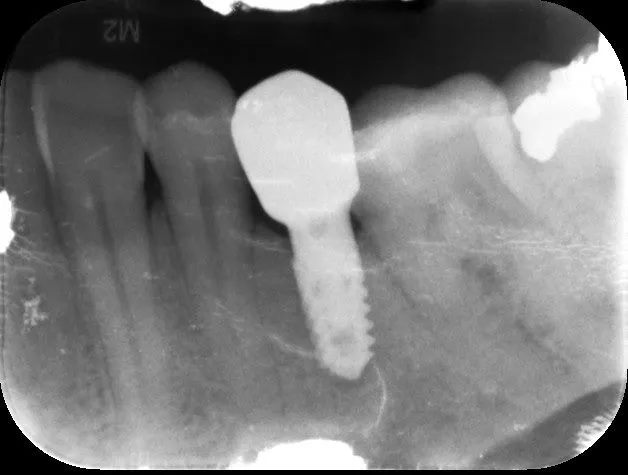
The procedure is performed under local anaesthesia, with options for sedation for anxious patients. Post-procedure discomfort is generally manageable with pain relief and resolves within a few days.
Healing times vary depending on the type and extent of the graft. Minor grafts may heal in 3–4 months, while more extensive procedures may require 6 months or longer before implant placement.
Grafting materials may include your own bone, processed bone from a human donor, animal-derived materials, or synthetic bone substitutes. Your clinician will discuss the most appropriate option for your case.
In some cases, simultaneous implant placement with grafting is possible. This depends on the amount of available bone, the type of graft and the clinical situation. Your clinician will advise.
This page explains the clinical biology of bone grafting. For local treatment, pricing and the specific procedures we offer, continue with the guides below.
Book a free implant consultation at Brisbane Dental Implants to discuss your treatment options with a plan tailored to your mouth.
Submit your details to arrange a clinical assessment.