

Socket preservation
Graft material is placed at the time of extraction to reduce ridge collapse and preserve the site for later implant placement. It may be recommended when immediate implant placement is not suitable.
A local guide to bone grafting for dental implants at our Bulimba clinic. Learn about our pre-surgical planning process, 3D CBCT bone height analysis, local clinical pathways, and costs in Brisbane.
Bone and Implant Assessment
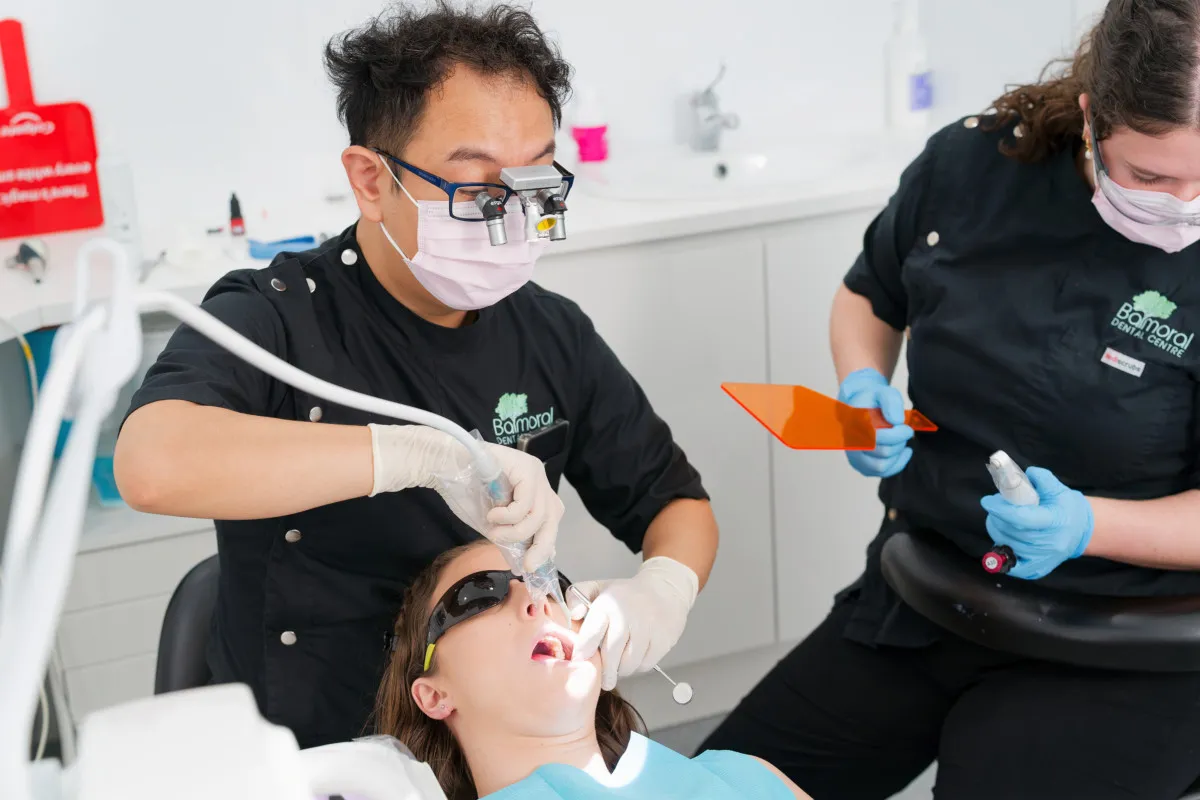
A dental implant needs enough bone to hold the fixture in a stable position and support the final crown, bridge or denture. After a tooth is removed, the socket changes shape as it heals. Bone can shrink in height and width, especially where infection, trauma or gum disease has damaged the area.
Bone grafting uses graft material to preserve or rebuild the implant site. The goal is not simply to add bulk. The goal is to create bone volume in the right position so the implant can be placed in a functional, cleansable and restorative position.
Grafting is not always required. Some sites already have enough bone, and some full arch plans use angled implants to work with available anatomy. In other cases, grafting may reduce compromises in implant angle, crown shape, hygiene access or long-term support. Graft materials, healing stages and the individual procedures are covered in detail further down this page.
The type of graft depends on the defect shape, tooth position, sinus location, infection history and implant plan.
Graft material is placed at the time of extraction to reduce ridge collapse and preserve the site for later implant placement. It may be recommended when immediate implant placement is not suitable.

Ridge grafting rebuilds jaw width or height where bone has already shrunk. It may involve membranes, fixation, particulate graft material or block grafting depending on the defect.

In the upper back jaw, the sinus can limit bone height. A sinus lift adds graft material beneath the sinus membrane to create support for future implants in selected cases.
Your clinician should explain the graft material, why it is recommended and whether alternatives exist.
Healing time depends on graft size, location, infection history, material used and whether implant placement is simultaneous or delayed.
The dentist assesses bone volume, defect shape, nerve and sinus location, gum thickness and the future implant position.
Active infection, gum disease or failing teeth may need management before or during grafting so the site can heal more favourably.
Graft material is placed in the planned area and may be covered with a membrane. Sutures protect the site while early healing begins.
Minor socket grafts may heal in a few months. Larger ridge grafts or sinus lifts can require longer before implant placement is considered.
Once the graft has matured sufficiently, implant placement is planned. Sometimes the implant and graft can be placed at the same appointment.
Guided bone regeneration uses graft material and, in many cases, a barrier membrane to create and protect space where new bone can form during healing. It suits smaller contour defects rather than significant ridge loss.
Some implant sites need more than small contour correction. Larger grafting can involve staged surgery, longer healing, temporary tooth planning, and careful maintenance of the final restoration.
After upper premolars or molars are lost, the sinus can sit close to the ridge and available bone height may reduce. A sinus lift creates space for graft material beneath the sinus membrane.
Bone is only half the site. Thin gum, recession, or limited firm gum tissue can affect comfort, appearance, plaque control, and long-term monitoring around implants and teeth.
Geistlich patient education material explains why bone and gum regeneration may be recommended before or during dental implant treatment, and describes the biomaterials involved. Your dentist should still explain the specific material, its origin, expected role and the alternatives for your case.
Stable bone for dental implants (PDF)
Tooth removal patient information (PDF)
 Source material hosted locally with Geistlich branding retained.
Bone grafting fees vary because a small socket preservation graft is very different from a larger ridge augmentation or sinus lift.
Socket preservation at extraction is often a smaller procedure. Fees depend on the tooth, defect, graft material and whether other treatment is performed at the same visit.
Ridge augmentation, sinus lift and staged grafting can involve more materials, imaging, surgical time and follow-up. These are quoted after examination and CBCT review.
Grafting can add cost, but it may support a better implant position. Compare this with the dental implants cost Brisbane guide.
Bone grafting has risks like any surgical procedure. Your treating practitioner should explain the risks relevant to your anatomy and health.
The examples below show treatment categories where bone support can influence implant planning. They are not predictions of outcome.
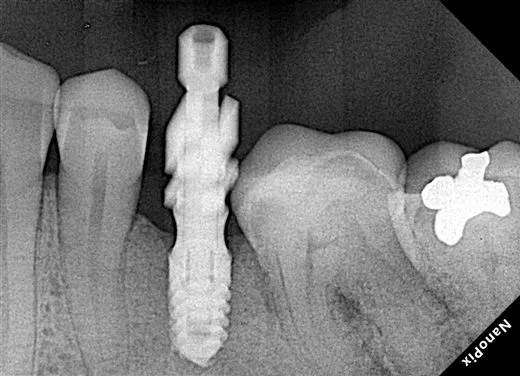
Socket preservation may be considered after extraction so the future implant crown can be planned in a better position.
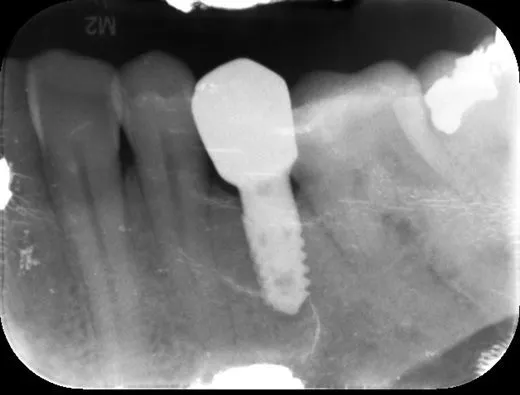
Upper molar implants may need sinus assessment. Lower molar implants need careful planning around the nerve canal.
Some full arch cases use available bone without grafting; others need site development or a different implant distribution.
Bone grafting at Brisbane Dental Implants is assessed by the treating dentist using clinical examination and 3D imaging. Dr Virginia Han and Dr Sae Mi Bok have a clinical focus on implant site planning, bone support and restorative outcomes, with treatment recommendations made after individual assessment.
Return to dental implants hubGood aftercare protects the graft while early blood supply and tissue closure develop. Your instructions may vary depending on the size and location of the graft.
Call the clinic if you notice increasing swelling after the first few days, persistent bleeding, unpleasant taste, fever, wound opening, graft particles coming out in large amounts, numbness, sinus symptoms or pain that is worsening rather than settling. Some minor granules may appear after certain grafts, but your team can tell you what is expected for your procedure.
After the graft matures, the implant plan may be confirmed with further imaging or clinical review. The dentist checks whether the graft has created enough bone in the right position. If the result is not adequate, the plan may be adjusted before implant placement.
Bone grafting decisions depend on the defect, the implant goal and the health of the surrounding tissues.
Bring any recent x-rays, details of when the tooth was removed, history of swelling or infection, periodontal treatment records and information about smoking or vaping. If you have had previous grafting, sinus surgery, implant failure or difficult extractions, tell the clinician before treatment planning begins.
Ask what type of defect is present: is the bone too narrow, too short, affected by the sinus, affected by infection, or missing on the cheek side of the socket? The answer should connect directly to the recommended graft type and the future implant position.
Useful questions include what graft material is proposed, whether a membrane is needed, whether implant placement can happen at the same time, how long healing is expected to take, what aftercare is required and what the backup plan is if the graft does not provide enough bone for the original implant plan.
No. Some implant sites have enough bone. Grafting is considered when bone height, width or position may compromise implant placement or the final restoration.
Sometimes. Simultaneous grafting and implant placement depends on primary stability, defect size, infection status and the planned restoration.
Minor grafts may be ready in a few months. Larger grafts or sinus lifts can take longer. The timing is confirmed by clinical healing and imaging.
The plan may need modification, additional grafting or a different restoration. Your dentist should discuss this possibility during consent.
It can be helpful when an implant is likely later and immediate placement is not suitable. It aims to reduce bone shrinkage after extraction.
Healing varies with the graft type and site. Smaller augmentation may need a few months before implant placement, while sinus grafts and larger staged augmentation often need longer. Your clinician reviews healing before the next stage proceeds.
Materials may include autogenous bone taken from your own jaw, processed donor or animal-derived graft materials, synthetic grafts, and resorbable or non-resorbable membranes. Your clinician should explain the specific material proposed for you, its origin and the alternatives.
A CBCT scan measures bone height and width and shows sinus anatomy that cannot be assessed from a photograph or visual examination alone. A history of sinus disease, thickened lining, cysts or congestion may require medical review or a modified plan.
Often yes, but the temporary design must avoid pressure on the grafted area during healing. This is planned before surgery rather than afterwards.
No. Soft tissue grafting is only discussed where gum thickness or recession may affect comfort, cleaning access, appearance or long-term tissue health around the implant.
Risks vary by procedure but may include swelling, bruising, bleeding, infection, wound opening, graft exposure or partial graft loss, delayed healing, altered sensation, sinus membrane perforation or sinus infection in upper jaw cases, graft shrinkage or colour mismatch in soft tissue grafting, and the possible need for further treatment.
Read the main implant hub, single tooth implant guide, All-on-4 guide and cost guide.
Grafting connects with other site-preparation and gum procedures. The procedure sections above cover augmentation, sinus lift and soft tissue grafting in detail; these pages cover the rest.
Request a free initial implant consultation to discuss your options. Our team will contact you to arrange a time. A $200 records fee applies only if you choose to take consultation records away.
You do not need to choose a treatment before contacting us. Your initial consultation includes a clinical assessment and 3D CBCT imaging where clinically required.