

All-on-4
Four implants support a fixed full arch bridge in selected cases. It can suit some patients with available bone in strategic positions. Read the dedicated All-on-4 Brisbane guide.
Compare fixed implant bridges and removable implant-retained dentures for an upper arch, a lower arch, or both jaws.
Fixed full-arch from $19,000 per arch for suitable cases.
This starting fee is for one upper or lower fixed arch, not both jaws and not removable implant dentures. Extractions, grafting and sedation cost extra. A written quote confirms your treatment.
Full Mouth Consultation
Consultation and scan are free. A $200 records fee applies only if you choose to take the consultation records away.
Request Free ConsultationOur team will contact you to arrange a time.
Patients use “full mouth implants” in different ways. Clinically, the plan may involve one arch, both arches, fixed bridges, removable implant dentures, or a staged mix of implant and non-implant dentistry.
Four implants support a fixed full arch bridge in selected cases. It can suit some patients with available bone in strategic positions. Read the dedicated All-on-4 Brisbane guide.

Some arches benefit from additional implants to distribute load or manage bone quality. This can be relevant for larger arches, stronger bites or specific prosthetic designs.

Implants can also retain a removable denture. This may improve stability while allowing easier cleaning and lower prosthetic complexity than a fixed full arch bridge.
A fixed restoration that does not cover the palate, combining implant stability with the improved comfort and taste sensation an upper denture cannot offer. It is a fixed option, so it is removed only by your clinician.
Full arch dental implants may be considered when most or all teeth in an arch are missing, unstable, heavily restored, infected, mobile or no longer restorable. Some patients are long-term denture wearers who want improved stability. Others have failing crowns, bridges or periodontal support and need a whole-arch plan rather than repeated single-tooth repairs.
Suitability depends on jawbone volume, gum health, smile line, lip support, bite relationship, speech, medical history and ability to clean the prosthesis. Learn more about these clinical requirements in our implant suitability guide. The dentist also needs to understand your expectations. Some people prioritise fixed teeth, while others prioritise easy cleaning, repairability or lower treatment complexity.
Full mouth treatment should not be rushed into simply because several teeth are problematic. A careful plan may preserve selected teeth, stage extractions, use transitional dentures, or combine implant treatment with other restorative care.
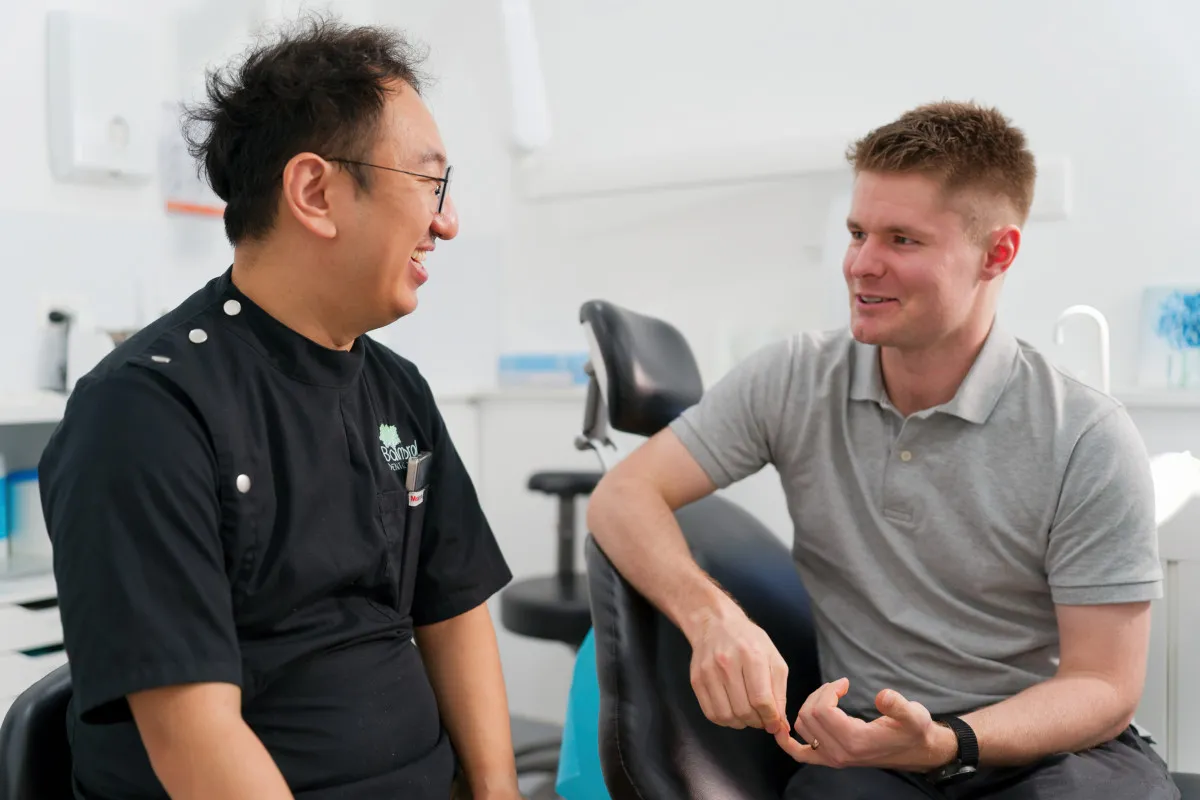
The final teeth should guide the surgical plan. Good full arch planning starts with prosthetic design, not just implant placement.
The team reviews teeth, gums, bone, bite, jaw joints, smile line, speech, medical history and previous dental work.
CBCT imaging, intraoral scans, photos and bite records help plan implant positions and the shape of temporary and final teeth.
Failing teeth may need staged removal, temporary dentures or temporary fixed bridges. The transition plan affects comfort, speech and diet.
Implants are placed according to the plan. Healing, review visits and a modified diet are important before the final prosthesis is made.
The final bridge or denture is fitted and adjusted. Maintenance planning covers cleaning access, screw checks, repairs and future replacement of worn parts.
Suitable fixed full-arch cases start from $19,000 per upper or lower arch before health fund rebates. The agreed plan includes consultation, CBCT imaging, implant surgery, temporary teeth and a final fixed bridge. Extractions, grafting and sedation are additional. Bridge materials, review visits and maintenance fees are confirmed in your written quote. Two-arch and All-on-6 plans need individual quotes. The consultation and scan are free; taking the consultation records away is optional and costs $200.
A single upper or lower full arch is different from treating both arches. Two-arch treatment also requires careful bite and facial proportion planning.
A fixed bridge and implant-retained denture have different laboratory, cleaning, repair and replacement considerations. The less expensive option is not automatically the better fit.
Extractions, grafting, infection management and sedation can alter the total. Temporary teeth are included in the agreed starting full-arch plan; changes to that plan are quoted separately. See the dental implants cost Brisbane guide for quote questions.
These are general outcomes reported for full arch implant treatment. Individual results depend on your anatomy, the prosthetic design and how the work is maintained.
Unlike a conventional denture, a fixed full arch bridge is secured to the implants and is not removed by the patient for cleaning or overnight soaking; a clinician may remove the bridge when needed for maintenance or repair.
Many patients can eat a wider range of foods than they could with a removable denture, which may support better nutrition. Bite force still builds gradually during healing.
Implants transmit load into the jaw, which may reduce the ridge resorption that usually follows tooth loss. It slows bone change rather than reversing it.
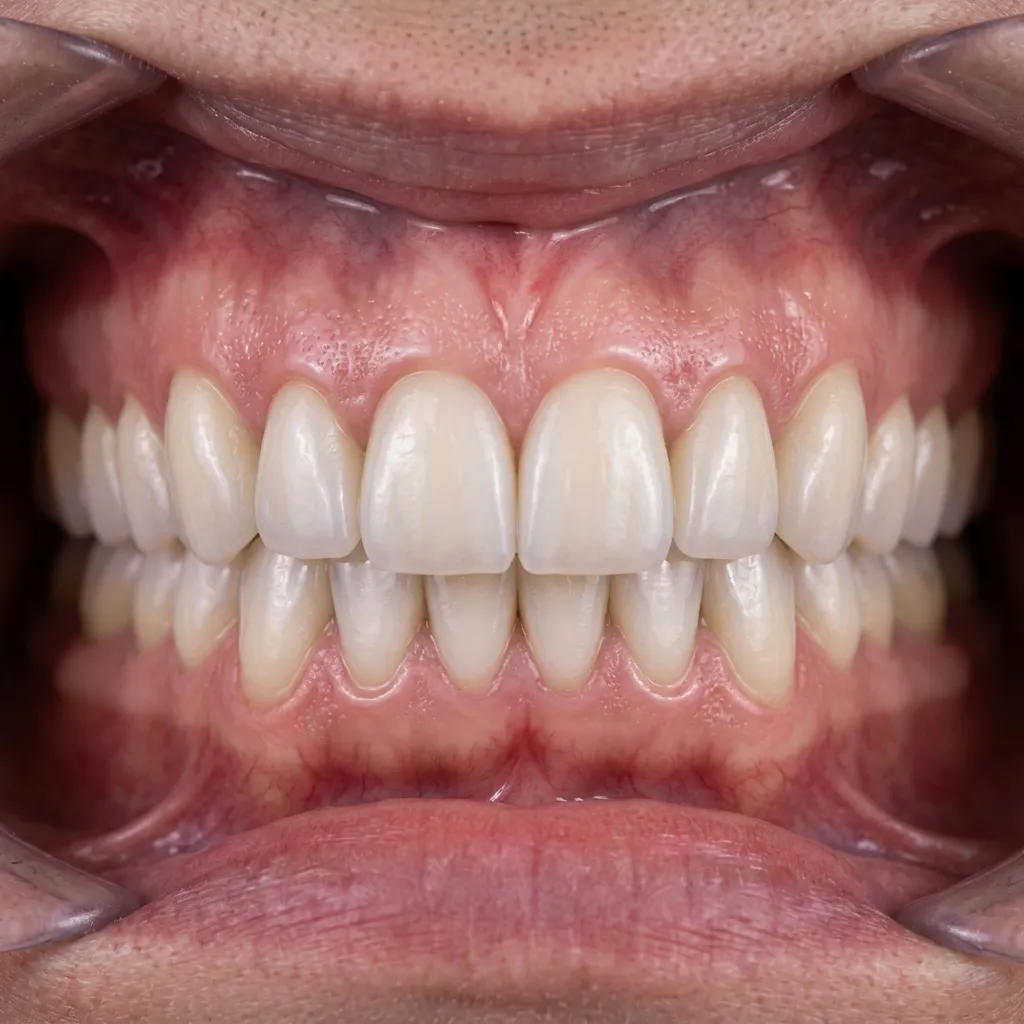
Full mouth dental implant treatment has surgical, prosthetic and adaptation risks. Long-term maintenance is a normal part of care.
A fixed bridge, removable implant-retained denture or a combination of treatments may be considered after assessment.
Our implant photo gallery shows single and multiple tooth restorations. These are different from full-arch treatment.
Full mouth dental implant planning at Brisbane Dental Implants may involve Dr Virginia Han, Dr Sae Mi Bok, restorative dentists and the on-site laboratory team. The treating practitioner will explain the planned sequence, alternatives, expected maintenance and material choices for your individual case.
Return to dental implants hubFull mouth dental implants change the way patients clean, chew and maintain their mouth. These everyday details should be discussed before treatment, not after the final bridge is fitted.
Long-term maintenance is not a sign of failure; it is part of full arch care. Reviews may include checking gum health, taking radiographs when indicated, tightening or replacing screws, polishing the prosthesis, adjusting the bite and repairing worn or chipped teeth. Patients who grind or clench may need additional protection.
Full mouth implant treatment can also affect future dental decisions. If one implant has a complication, the design of the bridge influences how easily the problem can be accessed. Repairability, spare parts, laboratory records and a clear maintenance relationship are practical issues worth asking about before proceeding.
Full mouth planning is easier when the team can see what has worked, what has failed and what you want to change.
Bring current dentures, splints, previous treatment plans, recent x-rays and a list of dental concerns by priority. If you have repeated tooth fractures, loose teeth, gum treatment history, dry mouth, reflux, sleep apnoea, diabetes or osteoporosis medication, tell the clinician because these factors can affect risk and maintenance.
Before the appointment, think about whether you would accept removable teeth if they were more cleansable or repairable, or whether fixed teeth are your main priority. Also consider whether you can manage a staged transition, temporary dentures, dietary changes during healing and regular maintenance visits after treatment.
Ask the treating dentist to explain the plan from the final teeth backward. You should understand proposed tooth position, bite design, number of implants, temporary teeth, final material, cleaning access, repair options and what happens if one implant or component has a complication later.
Because full mouth treatment can affect appearance, speech and eating, it is sensible to involve anyone who helps you make health or financial decisions. Take notes, ask for written options and avoid making a same-day decision if you still feel unsure. The aim is to choose a plan you can maintain, not just a plan that looks appealing in a brochure.
No. Some full mouth plans use fixed bridges, while others use removable implant-retained dentures. The choice depends on anatomy, budget, cleaning ability and preferences.
A full arch may use four, five, six or more implants depending on bone, bite, prosthesis design and risk factors. The number is decided after assessment.
Sometimes, but it depends on health, surgical complexity, bite planning, temporary teeth and recovery considerations. Some patients are better treated in stages.
Your denture history is useful because it shows bite position, lip support and sore spots. Existing dentures may sometimes be used for planning or temporary stages.
Implants are intended as long-term fixtures, but prosthetic teeth, screws, acrylic, ceramics or bars may need maintenance, repair or replacement over time.
Suitability depends on bone volume, gum health, general health, medications and bite factors. Many patients who have lost most or all teeth in an arch may be candidates, but a 3D CBCT scan and clinical examination are needed before anyone can say.
Timelines vary. Implant placement may be completed in one surgical session, sometimes with a temporary prosthesis fitted the same day. The final prosthesis is usually made after roughly three to six months of healing and review.
Cost depends on the number of implants, the prosthetic material and design, whether one or both arches are treated, and any preparatory surgery. A written itemised quote follows the consultation and CBCT scan — see the dental implants cost guide.
Options may include grafting, angled implant placement to use available bone, or in selected cases referral for zygomatic implants. Your clinician will explain which apply to your anatomy. See the bone grafting guide.
Start with the main dental implants Brisbane hub, then compare All-on-4, costs, bone grafting in Brisbane, and the planning and aftercare differences in dental tourism vs local treatment.
Request a free initial implant consultation to discuss your options. Our team will contact you to arrange a time. A $200 records fee applies only if you choose to take consultation records away.
You do not need to choose a treatment before contacting us. Your initial consultation includes a clinical assessment and 3D CBCT imaging where clinically required.