
Dental Implant Guide 2026
A practical Australian guide to dental implant treatment in 2026: who may be suitable, treatment stages, what costs can include, and which risks to discuss before you decide.
The Short Version
Dental implants are medical devices placed into the jawbone to support a crown, bridge or denture. Treatment planning can include 3D imaging, digital treatment design, guided surgery where appropriate, clearer written quotes and more structured maintenance.
For many people, an implant can be a strong option for replacing a missing tooth because it does not rely on neighbouring teeth the way a traditional bridge can. It is still surgery, and not everyone is suitable. Gum disease, inadequate bone, smoking, some medicines, uncontrolled diabetes, heavy bite forces and the position of nerves or sinuses can all change the plan.
Most single-tooth cases
Usually involve assessment, imaging, implant placement, healing, abutment and final crown. Many cases take several months.
More complex dental implants in Brisbane
May need bone grafting, sinus lift, extractions, temporary teeth, specialist input or a staged plan.
Full-arch treatment and All-on-4 Brisbane
Can replace a full upper or lower set of teeth with implant-supported teeth, but planning, maintenance and risk assessment are more involved.
Costs and maintenance
Depends on suitable case selection, careful surgery, a well-made restoration and ongoing cleaning and review.
For more focused detail, compare the dedicated guides to dental implants in Brisbane, a single tooth implant, dental implants cost Brisbane, All-on-4 Brisbane, full mouth dental implants Brisbane, and dental tourism vs local treatment.
Planning, Temporary Teeth and Maintenance
The implant needs stable bone support, healthy surrounding gums and time to integrate. Planning considers the final restoration alongside surgical placement.
Digital planning and the final restoration
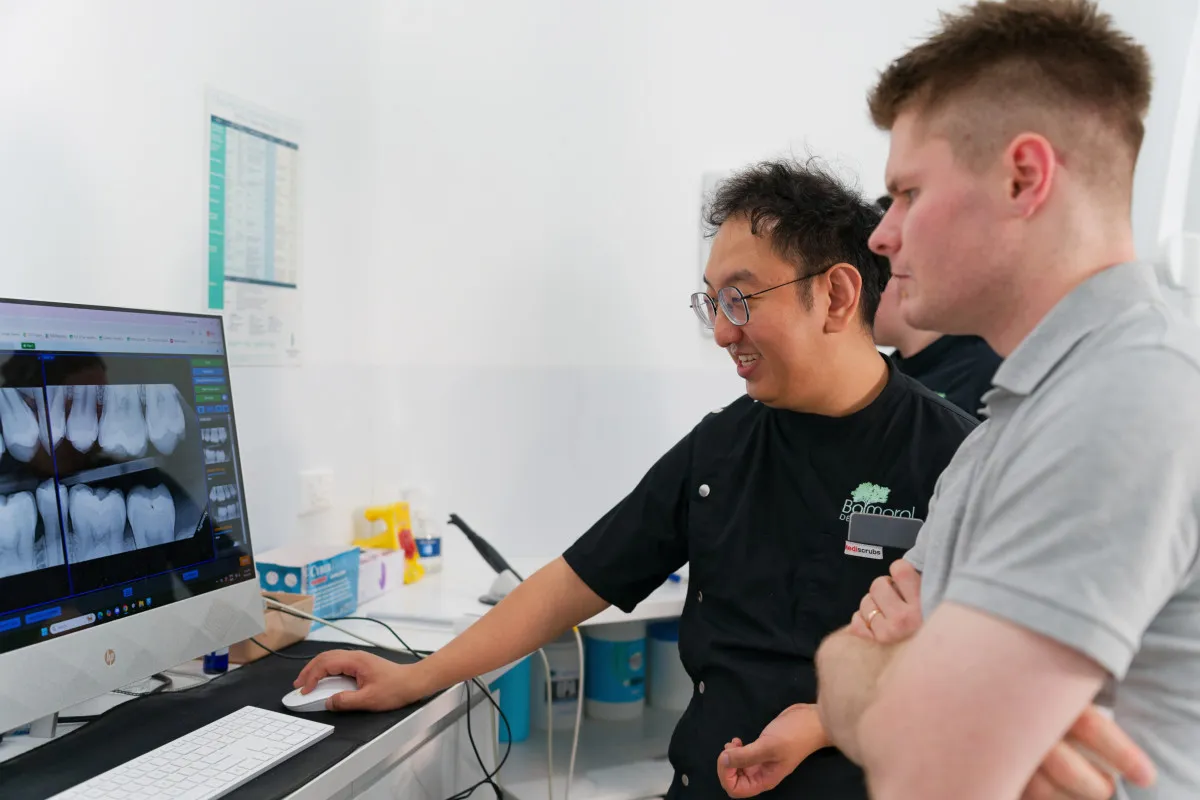
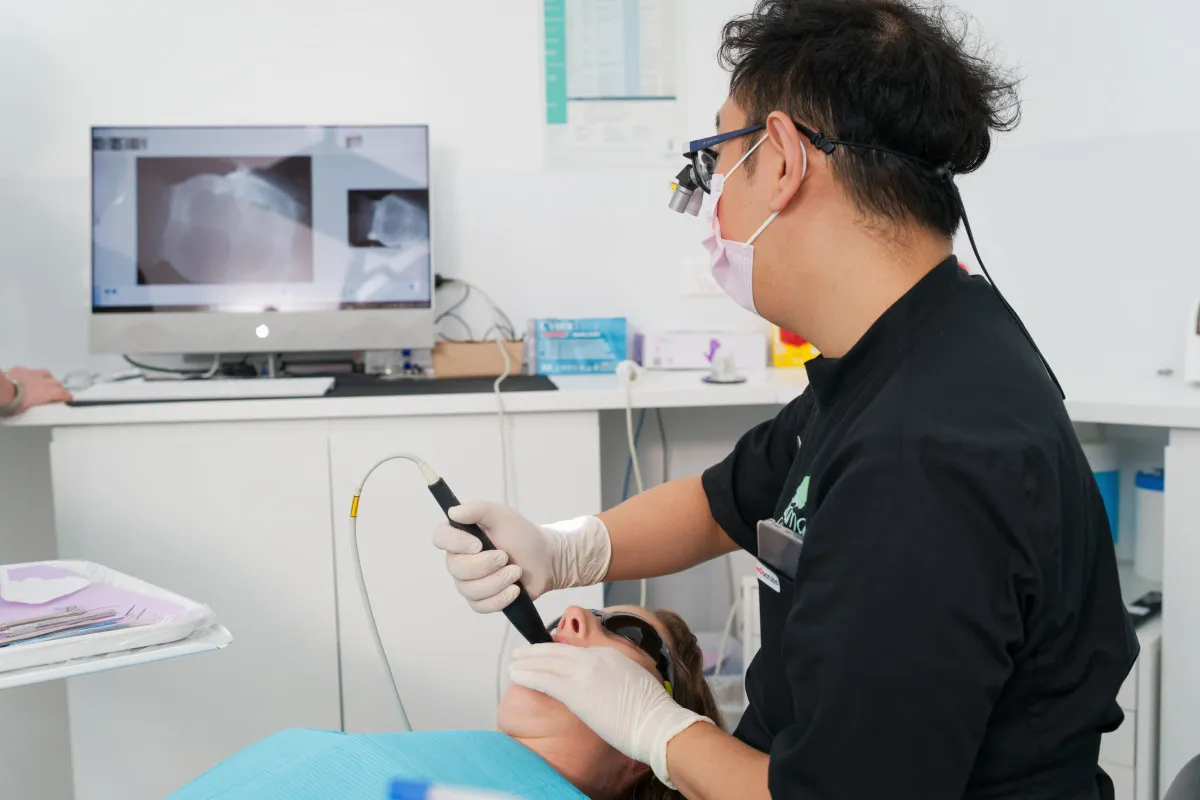
CBCT imaging gives a three-dimensional view of bone height, bone width, nearby nerves, sinus anatomy and the proposed implant position. Digital scans can then help plan the crown shape before surgery, so the implant is positioned for the final tooth rather than placed in isolation.
When temporary teeth may be considered
Same-day temporary teeth may be possible in selected situations, especially when primary stability, bite control and bone support are favourable. Recent ITI consensus material describes immediate placement and immediate loading as clinically viable in selected aesthetic-zone cases, while also noting surgical, technical and biological complications can occur.
Planning for ongoing maintenance
The Australian Dental Association notes that implants cannot develop decay, but the gum and bone around an implant can be affected by inflammation and peri-implantitis. In practical terms, the treatment plan should include maintenance from the beginning, not only after a problem appears.
Who Can Get a Dental Implant?
A dental implant may be considered when one or more teeth are missing, but suitability is individual. A proper assessment looks at the tooth gap, bone, gums, bite, smile line, medical history, medicines and personal goals.
| Factor | Why it matters | What your dentist may check |
|---|---|---|
| Bone volume | The implant needs enough bone for stable placement and long-term support. | CBCT scan, ridge width, height, sinus position and nerve location. |
| Gum health | Active gum disease can increase infection and implant failure risk. | Periodontal charting, bleeding, pocket depths and hygiene access. |
| Medical history | Some conditions and medicines affect healing, bleeding or infection risk. | Diabetes control, osteoporosis medicines, immune status and current medications. |
| Smoking | Smoking is associated with delayed healing and higher complication risk. | Smoking history and support to reduce risk before treatment. |
| Bite forces | Grinding or heavy bite forces can overload implants and restorations. | Bite analysis, tooth wear, jaw symptoms and night guard suitability. |
Informed consent matters
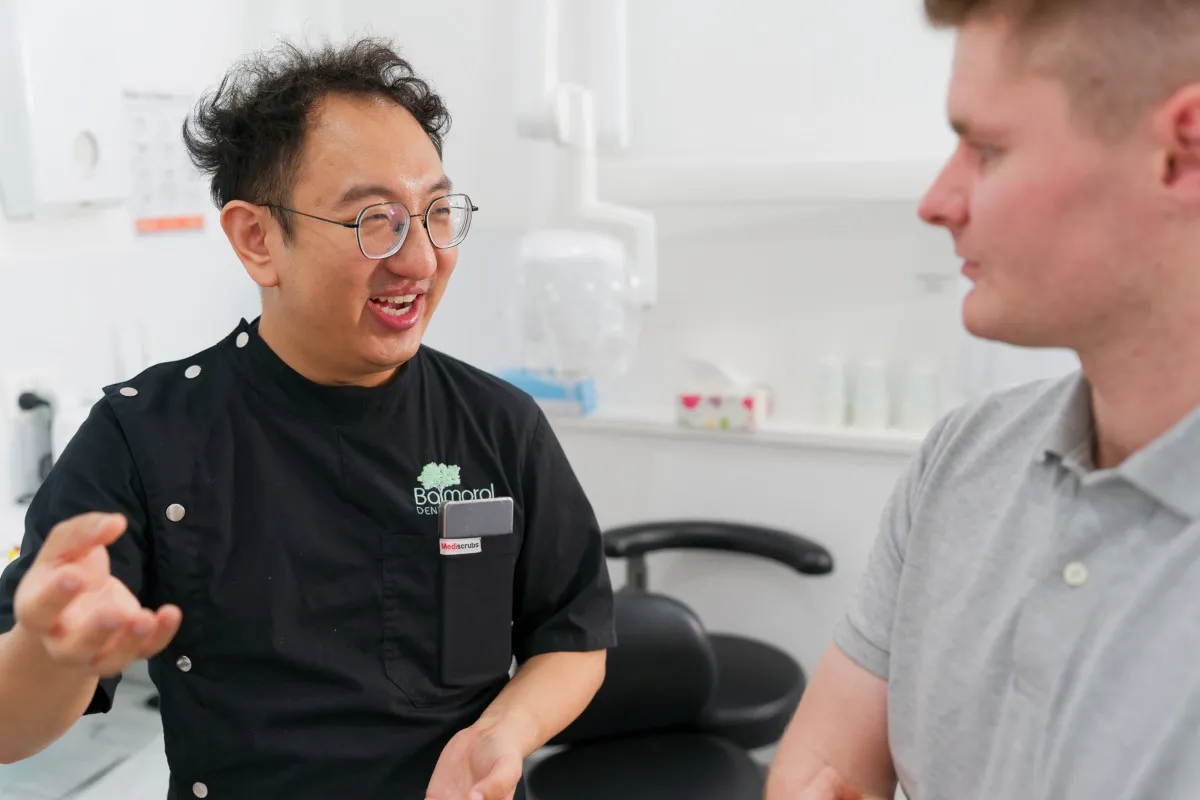
Before surgery, you should understand the likely benefits, material risks, alternatives, costs, maintenance needs and what may change if the dentist finds less bone or more infection than expected.
Common Dental Implant Options
The right option depends on how many teeth are missing, the available bone, your bite, cosmetic expectations, budget and willingness to maintain the result.
Single implant crown
One implant supports one crown. Often considered when a single tooth is missing and neighbouring teeth are healthy.
Implant bridge
Two or more implants support multiple connected teeth. This can avoid placing one implant for every missing tooth.
Implant-retained denture
A removable denture clips onto implants for improved retention compared with many conventional dentures.
Full mouth dental implants Brisbane
A full arch of fixed teeth is supported by several implants. It requires careful design, hygiene planning and maintenance.
The Dental Implant Process in 2026
Every case is different, but a staged approach is still common because the implant needs time to integrate with the jawbone. Healthdirect notes that implant treatment is usually done over multiple appointments and that bone integration often takes about three months.
Consultation and records
Your dentist examines the gap, gums, bite and medical history. Photos, x-rays, CBCT scans or digital scans may be recommended.
Treatment plan and quote
You receive options, limitations, costs and timing. This is where grafting, temporary teeth, sedation and maintenance should be discussed.
Site preparation if needed
Some patients need extraction, infection control, gum treatment, bone grafting or sinus lift before or during implant placement.
Implant placement
The implant is placed into the jawbone under local anaesthetic, with guided surgery used in selected cases.
Healing and review
The site is reviewed while the implant integrates. Temporary teeth may be used depending on the case.
Final restoration
The abutment and crown, bridge or denture are made and fitted. Bite, cleanability and appearance are checked.
Maintenance
Regular professional review helps detect inflammation, loosening, bite overload or hygiene problems early.
Dental Implant Costs in Australia
Dental implant costs vary because the phrase "dental implant" can mean different things in different quotes. One quote may include the implant post only. Another may include the implant, surgery, abutment, crown, imaging and reviews.
At Brisbane Dental Implants, a standard single implant bundle starts from $3,995 for suitable site-ready cases. Complex sites, grafting, full-arch treatment, sedation, temporary teeth or specialist referral can change the total cost. A written quote should make those inclusions clear before treatment begins.
| Cost item | What to clarify | Why it changes |
|---|---|---|
| Assessment and imaging | Whether consultation, x-rays, CBCT and digital scans are included. | Complex cases often need more diagnostic records. |
| Implant placement | Brand/system, surgical guide, follow-up and components. | Different systems, surgical complexity and anatomy affect cost. |
| Abutment and crown | Whether the visible final tooth is included in the headline price. | Front teeth, custom shading and lab work can increase complexity. |
| Bone grafting or sinus lift | Whether grafting is included, optional or quoted separately. | Bone loss after tooth loss is common and may need staged treatment. |
| Temporary teeth | Whether you will have a temporary denture, bridge or provisional crown. | Aesthetic-zone and full-arch cases often need extra provisional planning. |
| Maintenance | Review visits, professional cleaning and protective night guard if needed. | Long-term care needs depend on gum health, bite and restoration type. |
How to compare quotes
Compare inclusions, not just the headline number. Ask whether the quote includes the crown, abutment, imaging, implant components, grafting, temporary teeth, follow-up and GST where applicable.
Materials, Scans and Same-Day Claims
Titanium and zirconia implants
Most implant systems are titanium or titanium alloy. Zirconia implants are available and may be considered in selected cases. ITI consensus material reports encouraging five-year survival data for one-piece zirconia implants, while noting that evidence for newer two-piece zirconia designs is more limited. There is not strong clinical evidence that zirconia prevents peri-implantitis better than titanium.
Guided surgery
A surgical guide can help transfer a digital plan to the mouth. It is useful in many cases, but it does not remove the need for clinical judgement, sterile technique, adequate bone, healthy gums and careful bite design.
Same-day teeth
Immediate temporary teeth can be appropriate when stability and bite conditions allow. It should not be treated as a universal shortcut. If the implant is overloaded too early, complications may be more likely.
Benefits, Risks and Alternatives
Dental implants can restore chewing support and replace missing teeth without preparing adjacent teeth for a conventional bridge. They also help maintain support in the area where the tooth root was lost. Those benefits need to be weighed against surgical and long-term maintenance risks.
Possible benefits
Improved chewing support, fixed tooth replacement in suitable cases, no reliance on adjacent teeth for a single-tooth bridge, and support for crowns, bridges or dentures.
Possible risks
Infection, pain, swelling, bleeding, nerve injury, sinus complications, damage to nearby teeth, implant loosening, screw loosening and restoration fracture.
Long-term complications
Peri-implant mucositis, peri-implantitis, bone loss, cleaning difficulty, bite overload and prosthetic maintenance issues.
Alternatives
No treatment, removable dentures, resin-bonded bridges, conventional bridges and other tooth replacement options may be suitable depending on the case.
The FDA lists risks including infection, injury to surrounding tissues, sinus perforation, jaw fracture, bite problems, implant failure, poor cleaning access, untreated periodontal disease and post-surgical numbness. Australian patient guidance similarly highlights infection, nerve damage, sinus problems and injury to surrounding teeth as complications to discuss.
How to Look After an Implant
An implant is not "set and forget". It needs daily cleaning and professional maintenance, especially where the crown meets the gum. The best cleaning tools depend on the restoration design, but often include a soft toothbrush, interdental brushes, floss designed for implants or a water flosser.
For the difference between an implant that is still present and a crown or gum that needs repair, read how long dental implants last.
Daily
Brush twice daily and clean between the implant and nearby teeth. Report bleeding, swelling, looseness or discomfort early.
Professionally
Attend regular review and professional cleaning. Your dentist may monitor gum measurements, x-rays, bite and screw stability.
Questions to Ask Before Treatment
- Am I suitable for an implant, and what factors make my case straightforward or complex?
- Do I need a CBCT scan, bone graft, sinus lift, gum treatment or extraction first?
- What exact implant system and restoration materials are being proposed?
- Does the quote include the implant, abutment, crown, imaging, temporary teeth and follow-up?
- What are the realistic alternatives if I decide not to have an implant?
- What complications are most relevant to my anatomy and medical history?
- How will I clean around the implant, and how often should it be reviewed?
- What happens if the implant does not integrate or the crown needs repair later?
Common Questions
Many cases take several months because the implant needs time to integrate with bone before the final crown, bridge or denture is fitted. Some cases can be faster, while grafting or infection control can extend the timeline.
Sometimes, but only in selected cases. Same-day temporary teeth depend on implant stability, bone support, bite forces and infection risk. It is not suitable for every patient.
Yes. Implants cannot decay, but the surrounding gum and bone can become inflamed. Daily cleaning and regular professional maintenance are important.
A complete quote should state whether it includes consultation, imaging, implant placement, components, abutment, crown or prosthesis, temporary teeth, follow-up visits and grafting if required.
Sources Used
This guide was written from patient-facing Australian health guidance, regulator guidance and recent implant consensus material. It is general information only and does not replace a clinical examination.
- Australian Dental Association: Dental Implants
- healthdirect Australia: Dental implant procedure
- FDA: Dental Implants, benefits and risks
- Therapeutic Goods Administration: Implantable devices
- ITI Consensus: Zirconia dental implants
- ITI Consensus: Immediately placed and loaded single implants
- Australian Dental Association: Advertising compliance
Planning an implant in Brisbane?
Book a clinical assessment to discuss your suitability, imaging, treatment options and written quote.